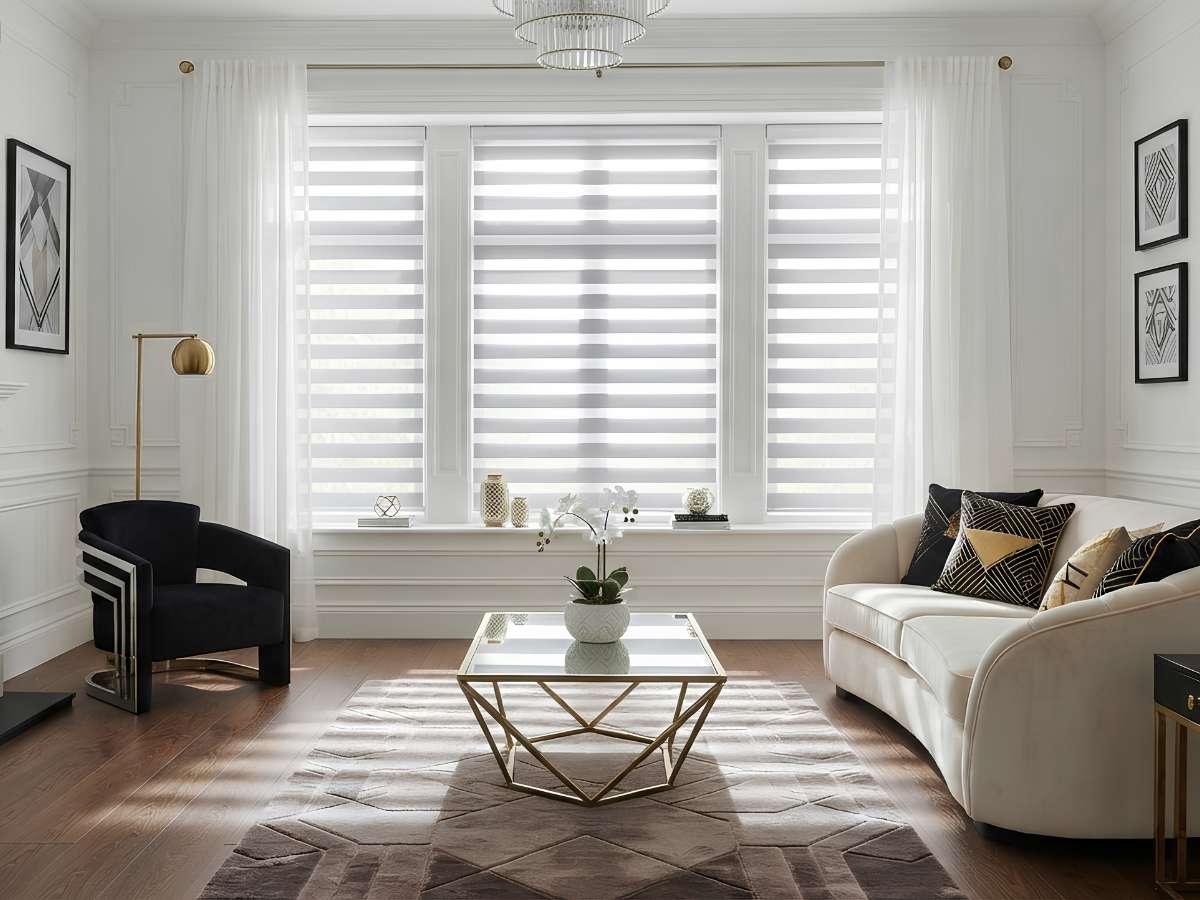
Choosing between Roman shades and cellular shades comes down to how you want your space to look and function. Roman shades focus on decorative style with customizable fabrics and folds, while cellular shades are known for their insulation and energy-efficient design. Understanding how each option performs in different rooms can help you make a more confident decision.

Roman Shades vs. Cellular Shades: Key Differences
Both Roman and cellular shades offer privacy, light control, and style. However, their designs create different benefits for homeowners.
Feature | Roman Shades | Cellular Shades |
Design | Soft fabric folds and elegant pleats | Honeycomb structure with clean lines |
Light Control | Available in light-filtering and blackout fabrics | Available in light-filtering and blackout options |
Insulation | Can add insulation, especially with lining or thermal lining; performance depends on fabric, fit, and mounting. | Honeycomb cells trap air to help reduce heat transfer; performance depends on cell design, fit, and mounting. |
Style | Works well with traditional and modern decor | Fits minimalist and contemporary interiors |
Operation | Available with cordless and motorized options | Available with cordless and motorized options |
Roman shades are often selected for their visual impact. Their fabric choices and custom fold styles can add warmth to living spaces and formal areas. Cellular shades focus more on performance with their layered construction that helps reduce heat transfer through windows.
A Room-by-Room Guide to Choosing Shades
Different rooms have different needs. The best window coverings should support how you use each space.
Bedroom: Privacy and Comfort Matter Most
Bedrooms often require a balance of privacy, darkness, and comfort. Both Roman and cellular shades can work well depending on your priorities.
Why Cellular Shades Work Well in Bedrooms
Cellular shades are a popular choice for bedrooms because their honeycomb design helps improve insulation. This can help maintain a more comfortable temperature throughout the year.
Blackout cellular shades can help reduce outside light for better rest, while cordless designs create a cleaner appearance without accessible operating cords. For rooms used by young children, cordless window coverings are also a safer option because they eliminate the strangulation hazard associated with accessible cords, as recommended by CPSC guidance.
When Roman Shades Are Better
Roman shades are ideal for homeowners who want a softer decorative look. Fabric options allow you to match bedding, wall colors, and bedroom decor more easily.

Kitchen: Easy Maintenance and Light Control
Kitchen windows need treatments that balance sunlight, privacy, and everyday practicality.
Cellular shades can provide a simple look and help manage heat near kitchen windows. For windows near sinks, cooking areas, or frequent steam, choose a product and fabric with care requirements that suit the space. Their slim profile works well in smaller spaces where you want coverage without making the room feel crowded.
Roman shades can also be a good fit when you want to add texture and style. Choosing durable fabrics can help create a finished look while keeping maintenance manageable.

Bathroom: Privacy Without Sacrificing Style
Bathrooms require window treatments that provide privacy while handling moisture and changing temperatures.
Cellular shades are a practical choice because they offer a streamlined appearance and flexible light control. Light-filtering fabrics allow natural light in while protecting privacy.
Roman shades can work in lower-moisture bathrooms when made with moisture-resistant synthetic or performance fabrics. Avoid highly absorbent natural fabrics near showers, tubs, or direct splash zones, and use effective ventilation to reduce condensation and mildew risk.

Nursery: Safety and Comfort Come First
A nursery needs window coverings that support comfort and safety. Cordless window coverings are recommended in rooms used by young children because they eliminate accessible operating cords and the associated strangulation hazard.
Cellular shades can help create a comfortable environment by improving insulation around windows. Blackout fabrics can also help reduce daytime light during naps.
Motorized options are another consideration for parents who want convenient control without disturbing a sleeping child.

Living Room and Dining Room: Focus on Style
Living rooms and dining areas often benefit from window treatments that enhance the overall decor.
Roman shades are a strong choice for these spaces because their fabric selections create a custom appearance. Different fold styles can add depth and complement furniture, flooring, and architectural details.
Cellular shades are also effective when energy efficiency and clean design are priorities. They provide a modern appearance while helping manage natural light.

Office: Reduce Glare and Improve Focus
Home offices need window coverings that help control glare while maintaining a comfortable workspace.
Cellular shades can help reduce heat buildup near windows while improving thermal efficiency. Roman shades can add a professional look with fabric choices that match the room’s design.
Motorized shades can also make it easier to adjust lighting throughout the workday.

Frequently Asked Questions About Roman Shades vs. Cellular Shades
1. Are cellular shades more energy efficient than Roman shades?
Cellular shades are generally considered more energy efficient because their honeycomb construction creates air pockets that help insulate windows and reduce heat transfer. Roman shades can also provide insulation, especially when made with thicker or lined fabrics, but their construction typically does not offer the same level of thermal performance as cellular shades.
2. Do Roman shades provide blackout options?
Yes. Roman shades are available with blackout fabrics and lining options that can significantly reduce incoming light and provide greater privacy. They can be a particularly good choice for bedrooms, media rooms, or other spaces where controlling natural light is important.
3. Are both Roman and cellular shades available with motorized controls?
Yes. Both Roman and cellular shades can be equipped with motorized controls, making it easier to adjust hard-to-reach or frequently used windows. Depending on the product, motorization may also allow homeowners to schedule shade adjustments or operate multiple shades together.
4. Which shades are better for large windows?
Both cellular and Roman shades can work well for large windows, but the best choice depends on the window’s size, configuration, and the specific product. Very wide cellular shades may require multiple units, while larger Roman shades can become heavier and may need reinforced hardware or multiple coordinated shades for smooth operation.
5. Can I use cellular and Roman shades in the same home?
Yes. Using both styles can give homeowners more flexibility by allowing each room’s needs to guide the choice. For example, cellular shades may be useful where insulation and light control are priorities, while Roman shades can add fabric, texture, and a more decorative look in living rooms, dining areas, or bedrooms.
Transform Your Home with the Right Window Treatments
Choosing between Roman shades and cellular shades comes down to your room’s purpose, your design preferences, and the performance features you need. Roman shades add decorative appeal while cellular shades focus on insulation and efficiency. Both options can provide reliable privacy and light control with custom features that fit your lifestyle.
Tampa Blind Pro provides custom window treatments for homeowners throughout Tampa and nearby communities. As a leading source for custom window shades in the area, our team helps you find the right custom solutions for your home. Schedule a consultation today and discover custom shades designed to enhance every room in your home.